

LiciousHQ Blog
The Untold SEO Gold: Blogs Drive Organic Growth
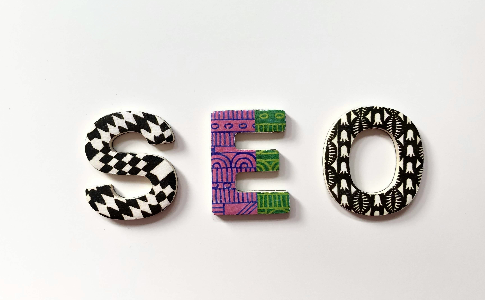
In the fast-paced world of digital marketing, everyone is chasing the next big thing — from viral TikTok trends to influencer shoutouts and AI-driven ads. But amidst the noise, there’s an old hero quietly powering growth, driving traffic, and building long-term credibility for brands.
Its name? Blogging.
Yes, blogging. Often underrated, sometimes overlooked, but always powerful when done right. If you’ve been sleeping on blog content as a tool for SEO (Search Engine Optimization), it’s time to wake up and smell the golden opportunity.
Blogging is Not Dead — It’s Evolved
Let’s get one thing straight: blogging isn’t dead. It has simply evolved. Today’s blogs aren’t just online diaries or lengthy rants — they are SEO engines, educational tools, and relationship builders. A well-written blog post can:
● Solve a customer’s pain point
● Position your brand as a thought leader
● Build internal links across your website
● Rank for long-tail keywords
● And most importantly — attract organic traffic without paid ads
Why Blogs Are SEO Gold
1. They Feed the Google Beast
Search engines love fresh, relevant content. Blogs are one of the easiest ways to regularly update your website with high-quality, keyword-optimized material. Every time you publish a new blog post, you’re giving search engines new content to index — and more chances to show up in search results.
2. Long-Tail Keywords Live Here
Most website pages are optimized for branded or high-level keywords. Blogs, however, are perfect for targeting long-tail keywords — the specific search terms your ideal audience is typing into Google. For example, while your homepage might target “healthy snacks,” a blog can target “best healthy snacks for nursing mothers in Nigeria.”These longer, niche phrases are less competitive and highly targeted, making them a secret SEO weapon.
3. Backlinks Start with Value
Quality blog content earns backlinks. When people find your blog useful or insightful, they’re more likely to share it or link to it from their own websites. Google sees these backlinks as votes of confidence — and rewards you with better rankings.
4. Increased Dwell Time = Stronger SEO Signals
When readers land on a blog post and stick around to read it, it increases dwell time — a metric search engines use to evaluate content relevance. Valuable blogs keep people engaged, reduce bounce rates, and improve your website’s SEO reputation.
Blog Content is the Heartbeat of Content Marketing
Think of your website as a living organism. Your home page is the face. Your product or service pages are the muscles. But your blog? That’s the heartbeat — constantly pumping fresh energy (content) that keeps your brand alive online.
Consider this:
● Companies with active blogs generate 67% more leads per month than those without.
● Websites with blogs have 434% more indexed pages, improving their chances of being found.
● Small businesses that blog get 126% more lead growth than those that don’t. That’s not just “nice to have” — that’s a game-changer.
How to Turn Blogs into SEO Powerhouses
If you’re ready to start blogging strategically, here’s how to strike SEO gold:
✅ Do Keyword Research: Use tools like Ubersuggest, Ahrefs, or Google Keyword Planner to find what your audience is searching for. Target one keyword or phrase per blog.
✅ Create Value-Driven Content: Don’t write just to fill space. Share insights, tips, case studies, personal stories, or how-tos. Solve a real problem.
✅ Optimize On-Page SEO: Use the keyword in your title, headers, URL, image alt texts, and meta description — but keep it natural.
✅ Use Internal & External Links: Link to other relevant blog posts and authority sources to build SEO credibility.
✅ Be Consistent: One blog post won’t change your SEO overnight. Stay consistent and keep feeding the algorithm.
✅ Repurpose Content: Turn blogs into newsletters, carousels, reels, or podcast topics. Maximize their reach across platforms.
Still Not Blogging? You’re Leaving Traffic on the Table
SEO doesn’t always require ads, influencers, or expensive PR. Sometimes, it just needs a thoughtful, well-written blog post that answers a real question. So if your website isn’t bringing in as much traffic as you’d like, don’t panic — just start blogging.
You don’t need to be a Pulitzer-winning writer or SEO wizard. You just need to know your audience, speak to their needs, and consistently create content that Google — and humans— will love.
Because in the world of digital growth, blogs aren’t just words on a page — they’re your secret SEO goldmine.
Are you mining yours yet?